

Gold has been on a strong run. Prices pushed past $5,000 per troy ounce in early 2026, and even with pullbacks, the market is still trading near historic highs.
If you have gold jewelry, coins, or scrap sitting around, you’re probably wondering whether now is the right time to sell or if you should hold out for more.
Here’s what you need to know to make that decision.
What’s Driving Gold Prices Right Now
Gold doesn’t climb for no reason. Several forces have pushed prices to where they are today.
Central bank buying has been a major driver. According to the World Gold Council, central banks around the world have been adding gold reserves at record pace since 2022. That level of institutional demand puts upward pressure on prices globally.
Inflation and monetary policy also play a role. When the Federal Reserve adjusts interest rates or inflation stays elevated, investors move toward gold as a hedge. Lower interest rates make gold more attractive because holding cash earns less, so money flows into metals.
Geopolitical uncertainty adds fuel. Global conflicts, trade tensions, and economic instability push investors toward safe haven assets. Gold is the oldest safe haven there is.
If you want to understand the full mechanics, this guide on how gold prices are determined covers it in detail.
Why Selling During a High Market Makes Sense
You Get More Cash for the Same Piece
The gold inside your jewelry hasn’t changed. But the market value of that gold has. A 14K ring that might have brought $150 two years ago could bring $250 or more today at current spot prices. Higher spot price means higher payout per gram, simple as that.
Gold Might Not Stay This High
Markets don’t go up forever. Price corrections happen when interest rates rise, inflation cools, or investor sentiment shifts. The Federal Reserve’s next policy move could pull gold back significantly. Selling at or near the peak locks in your return while it’s still available.
Unused Jewelry Is Dead Money
Old rings, chains, bracelets, or broken gold jewelry sitting in a drawer aren’t doing anything for you. A price surge is the ideal time to turn those pieces into cash. They’re worth more right now than they have been in years.
Scrap Gold Gets Better Offers Too
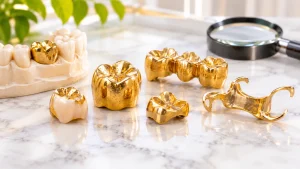
It’s not just fine jewelry that benefits. Even scrap gold like mismatched earrings, broken clasps, and old dental gold sees higher payouts when the market is up. Small scrap pieces add up fast at elevated prices.
Should You Sell All at Once or in Stages?
Most people dump everything in one visit. But selling in stages is a strategy worth considering, especially if you have a larger collection.
Selling in tranches means you cash in some pieces now at today’s price and hold others in case prices keep climbing. If gold drops, you are already locked in gains on part of your collection. If gold rises, you still have pieces left to sell higher.
This approach reduces timing risk. Nobody can predict the exact peak, and trying to time it perfectly usually backfires. Selling gradually takes the pressure off and spreads your exposure across multiple price points.
Best Time of Year to Sell Gold
Beyond watching the spot price, certain times of year tend to favor sellers.
The holiday season (October through December) often sees increased jewelry demand, which can push buyer interest and offers slightly higher. The wedding season (spring and early summer) also creates more demand for gold jewelry in the secondary market.
January and late summer tend to be quieter periods with lower buyer activity. If you can time your sale around high demand seasons while gold prices are also elevated, that’s the sweet spot.
Tax Implications of Selling Gold
This is the part most sellers overlook. The IRS classifies gold as a collectible, which means capital gains from selling are taxed at a maximum rate of 28% if you sell for more than your original purchase price or inherited basis.
For inherited gold, the IRS sets your cost basis at the fair market value on the date of the previous owner’s death, not what they originally paid. This can work in your favor depending on when you inherited it.
Cash transactions above $10,000 may also trigger reporting requirements under the Bank Secrecy Act. If you’re selling a large amount, talk to a tax professional first. Knowing the rules won’t change your gold’s value, but it affects how much you actually keep.
How to Track Gold Prices Before Selling
Don’t walk into a buyer’s shop without checking the current price first. Here’s where to look:
- COMEX gold futures on the CME Group website show real time trading prices for gold contracts
- LBMA Gold Price is the global benchmark set twice daily in London and used by dealers worldwide
- Kitco.com and GoldPrice.org offer live spot price charts in multiple currencies with historical data
Checking the price takes 30 seconds and gives you a baseline to evaluate any offer. Understanding why gold buyers give different offers helps you figure out whether the number you’re hearing is fair.
Why Some People Choose to Wait
Not everyone should sell just because prices are high. Holding makes sense if:
- You believe gold will continue rising based on ongoing economic conditions
- The piece has sentimental value that outweighs the cash
- You’re using gold as a long term hedge against inflation or currency risk
- You own rare or valuable gold items that may appreciate beyond melt value
But keep in mind that no one can predict the market with certainty. What looks like an upward trend today could reverse on a single Federal Reserve announcement.
How to Get the Best Offer During a Price Surge
Timing alone isn’t enough. You also need to sell smart.
Know your gold’s purity. A 22K piece brings a much better offer per gram than 10K. If you’re unsure, read up on gold purity levels before heading out.
Get multiple quotes. Visit at least two or three buyers in one afternoon. Local buyers often pay more than online options because they cut out shipping and processing costs.
Avoid rookie mistakes. Accepting the first offer, not checking the spot price, or not knowing your karat are all preventable errors. Brush up on the common mistakes to avoid when selling gold.
Choose selling over pawning. When prices are high, selling outright gets you a better deal. Read about selling gold vs pawning gold if you’re weighing both options.
Prepare your pieces. Sort by karat, clean lightly, and bring your ID. Here’s a full guide on how to prepare gold jewelry before selling.
FAQs
Is now a good time to sell gold jewelry?
With gold trading near all time highs, current prices offer strong returns for sellers. But the “right” time depends on your financial situation and whether you need the cash now or can afford to wait.
Is it time to sell gold after a strong run?
A strong run means elevated prices, which means better payouts. Selling during a sustained high is generally smarter than trying to time the absolute peak, which is nearly impossible to predict.
When is the best time of year to sell gold?
Holiday season and wedding season typically see higher buyer demand. Combine seasonal timing with a strong gold market for the best results.
How much is 14K gold worth right now?
14K gold is 58.3% pure. Its value per gram changes daily based on the spot price. Check COMEX or LBMA pricing for the current rate, then multiply by weight and purity percentage.
Where is the best place to sell gold jewelry near me?
Look for a licensed local buyer who tests and weighs in front of you, prices based on live market rates, and pays the same day. Avoid buyers who don’t explain their pricing or pressure you to accept.
Do I have to pay taxes when I sell gold?
The IRS classifies gold as a collectible. If you sell for more than your cost basis, capital gains are taxed at up to 28%. Consult a tax professional for large transactions.