

Gold is gold, right? You’d think selling a gold bar or coin would be simple no matter what. Weigh it, test it, get paid. But in reality, not all bullion sells the same way. Some pieces move fast and get strong offers. Others? Buyers hesitate, ask more questions, or offer less than you expected.
It’s frustrating when you know your gold is real but the offer doesn’t reflect that. Here’s why it happens.
Unrecognized Refiners and Mints
This is the biggest factor. A 1 oz gold bar from PAMP Suisse or a government minted American Eagle will sell in minutes at almost any gold buyer.
Everyone knows what it is, trusts the purity, and can price it quickly.
But a bar from a refiner nobody’s heard of? That’s a different story. The buyer has to spend more time and effort verifying the purity because they can’t just trust the stamp.
Some buyers won’t even touch bullion from unknown sources because the risk of counterfeits is higher.
It doesn’t mean your bar is fake. It just means it takes more work to confirm, and that extra work often shows up as a lower offer. Understanding why gold buyers give different offers explains how processing effort affects your payout.
Missing Assay Cards and Packaging
A lot of investment grade bars come sealed in a tamper evident card with an assay certificate. That certificate confirms the weight, purity, and serial number. When the card is intact, the buyer knows the bar hasn’t been tampered with. Quick and clean.
Without it? The buyer has to open the bar. That means acid tests, XRF scanning, or other methods that take time. Some buyers are just less comfortable paying top dollar for bullion removed from its original packaging, even if the gold tests fine.
If you still have the packaging, always bring it. This is one of those small preparation steps that can bump your offer without any extra effort.
Unusual Sizes
Standard sizes sell best. For bars, that’s 1 oz, 10 oz, and 1 kilo. For coins, it’s 1 oz. These are the sizes buyers deal with every day, and they know exactly what to pay.
Odd sizes like 2.5 oz bars, 20 gram pieces, or unusual fractional coins can be harder to move. Not because they’re worth less per gram, but because the resale market for those sizes is thinner. Fewer people are looking for a 2.5 oz bar compared to a standard 1 oz.
Fractional gold in common sizes like 1/4 oz and 1/10 oz is fine. It’s the truly odd denominations that slow things down. Check out popular gold coins to see which products have the widest demand.
Worn or Damaged Bullion
Scratches and dings on a gold bar don’t change the gold content inside. But they do make buyers cautious. Heavy wear can obscure the weight and purity stamps, making verification harder. In some cases, deep gouges raise concerns that material may have been removed from the bar.
Coins take a bigger hit from damage. A scratched Maple Leaf might still sell fine as bullion, but it loses any numismatic premium it might have carried.
That said, even broken or damaged gold has real value. Expect the process to take a bit longer, but don’t assume damaged means unsellable.
Counterfeit Concerns
Fake gold bullion exists, and it’s getting more sophisticated. Tungsten filled bars, gold plated replicas, and counterfeit coins are a real problem in the market. Buyers know this, and when something looks off, they get cautious.
Red flags include bars with slightly wrong dimensions, coins that feel too light or too heavy, and serial numbers that don’t match known databases. This is one reason buying from reputable sources matters so much. When it comes time to sell, bullion with a clear chain of custody moves faster.
Knowing how to spot fake gold helps you understand exactly what buyers are checking for during their evaluation.
Collectible Coins With Low Demand
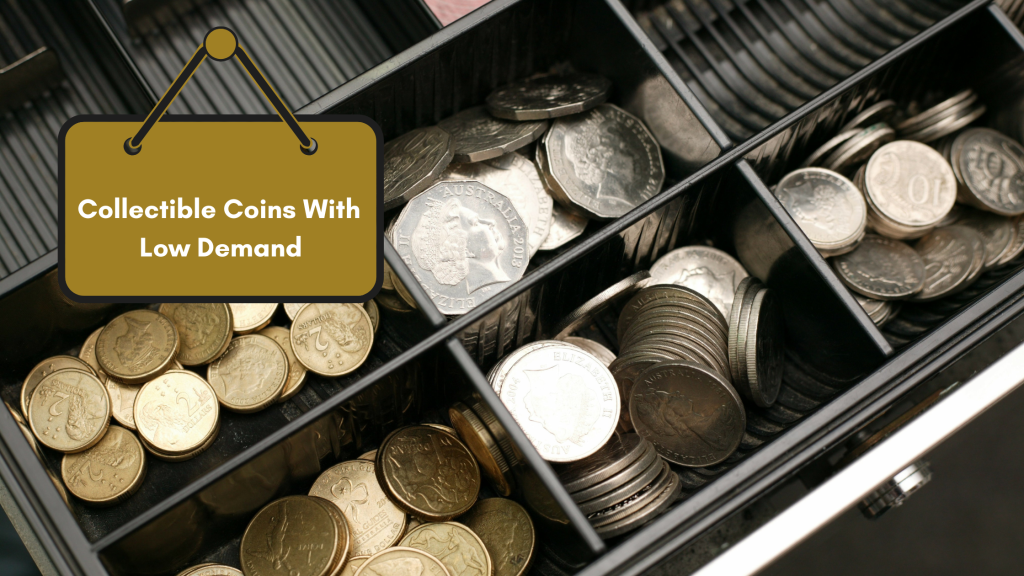
Some gold coins have a numismatic value on top of their gold content. Rare dates, limited mintages, proof finishes. But not every collectible coin has strong demand.
Obscure commemorative coins or foreign coins with small collector followings can be tough to sell at a premium.
In those cases, the buyer might only offer melt value because they can’t easily find a collector willing to pay more. You still get paid for the gold inside, but that extra numismatic bump you were hoping for might not show up.
Some valuable gold items carry that premium, but it really depends on what the piece is and who’s buying.
Very Large Bars
This might sound backwards, but extremely large gold bars can actually be harder to sell locally. A 100 oz or 400 oz bar holds serious value, and not every local buyer has the cash on hand or the clientele to handle that kind of transaction.
You might need to go to a specialized bullion dealer or sell through a larger exchange for those sizes. For most individual sellers, sticking with standard sizes (1 oz to 10 oz) gives you the widest pool of potential buyers. That said, local buyers may still pay more than online options even on larger pieces because they save on shipping and processing costs.
How to Make Your Bullion Easier to Sell
A few simple things can help you get better offers and faster transactions.
Keep the original packaging and assay cards if you have them. Store your bullion properly so it doesn’t get scratched or damaged. Stick to recognized products when buying so selling is smoother down the road.
And when you’re ready to sell, know the current spot price before visiting any buyer. Get more than one quote. Compare numbers side by side and go with the buyer who gives you the fairest deal based on what you’re selling.
Sell Your Gold Bullion in Rockford
Got bullion that other buyers have been hesitant about? SSAJ (State Street Apparel & Jewelry) in Rockford, IL buys gold bullion from all refiners and mints, recognized or not. They have the equipment to properly test any piece and the experience to price it fairly.
Bring in your bars, coins, or rounds. Packaging or no packaging. They’ll give you a straight answer and a real offer.
Final Thoughts
Some gold bullion is just easier to sell than others. Recognized brands, standard sizes, and intact packaging all speed up the process and push offers higher. But even if your bullion doesn’t check all those boxes, the gold inside still has real value.
Know what you have, bring whatever documentation you can, and pick a buyer who has the tools and knowledge to evaluate it properly. That’s the best way to turn any piece of bullion into cash.