

A broken clasp, a missing stone, a bent prong. Your first instinct might be to fix it before taking it to a buyer. But is that actually worth the money? In most cases, no.
Here’s why repair costs rarely make sense before selling gold.
Most Buyers Are Paying for the Gold, Not the Jewelry
This is the part most people miss. When you sell gold jewelry to a buyer, they’re calculating the offer based on karat purity and weight. They don’t care about:
- How the piece looks cosmetically
- Whether the clasp works
- Whether the stone is still in the setting
A 14K bracelet with a broken clasp contains the exact same amount of gold as one with a working clasp. The buyer is paying for what’s inside, not what’s on the surface.
The Federal Trade Commission (FTC) requires gold items to be accurately stamped with their karat value. That stamp is what the buyer cares about, along with the verified weight. Repairs don’t add gold, so they don’t add value in a scrap gold transaction.
Repair Costs Usually Exceed the Value They Add
Let’s say you spend $75 fixing a clasp or $150 replacing a stone. That money doesn’t come back to you in the offer. A gold buyer might pay $5 to $10 more for a piece in better cosmetic condition, if that.
The math doesn’t work. Jewelers charge for labor, materials, and their own markup on repairs. You’re spending retail prices on fixes that a gold buyer won’t factor into their calculation. It’s money lost before you even walk through the door.
Knowing how jewelry depreciation and resale pricing works makes this easier to accept. The retail value of jewelry drops the moment you buy it, and repair costs follow that same losing math.
When Repair Might Actually Make Sense
There are a few narrow situations where fixing a piece before selling could pay off. But they’re exceptions, not the rule.
Designer or Branded Pieces
If your jewelry carries a recognized brand name like Tiffany, Cartier, or David Yurman, some buyers will pay above melt value for it. A complete, functioning piece from a luxury brand can sell for significantly more than a broken one because it has resale potential in the secondhand luxury market.
In that case, a minor repair might push the offer up enough to justify the cost. But get a quote from the buyer first before spending anything. Some valuable gold items carry premiums that only apply when the piece is intact.
Vintage or Antique Jewelry
Collectors sometimes pay more for vintage pieces in good condition. If your jewelry has historical significance, a rare design, or unusual craftsmanship, restoring it could increase its appeal. But again, confirm the buyer values those qualities before you invest in repairs.
A buyer who only deals in scrap gold won’t care if your 1920s Art Deco ring is restored or not. They’re melting it either way.
Selling Privately
If you’re selling directly to another person through a marketplace or classified listing, appearance matters more. A polished, complete piece photographs better and attracts higher offers from individual buyers who want to wear it, not melt it.
Private sales carry their own risks though, including no professional testing, no legal protections, and no paper trail. For most people, selling to a licensed buyer is the safer route.
What You Should Do Instead of Repairing
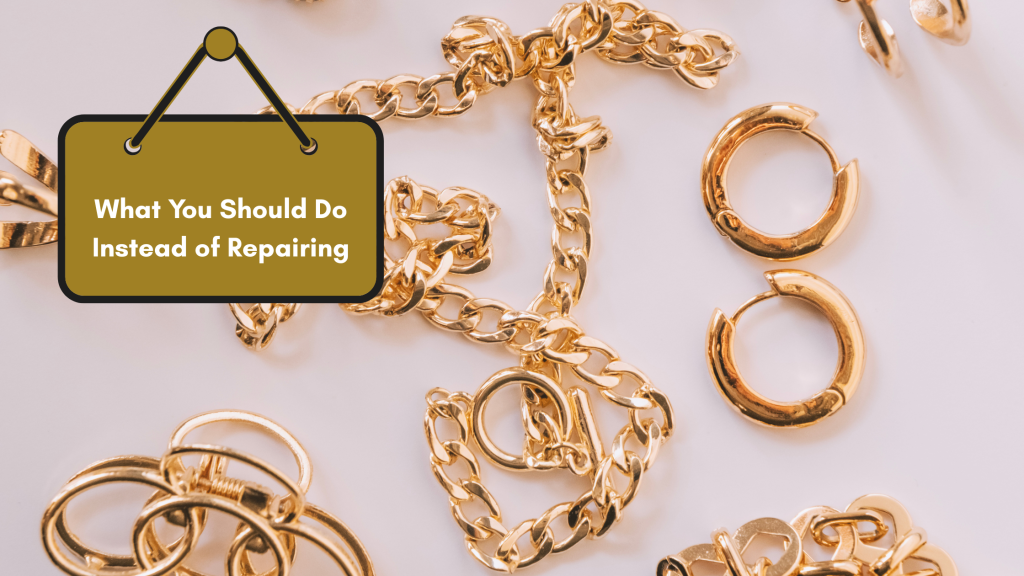
Skip the repair shop. Spend that time on preparation that actually moves the needle.
Clean It Lightly
Warm water, mild soap, and a soft cloth. That’s all you need. Remove surface dirt and lotion buildup so the buyer can see and test the piece easily. Don’t use harsh chemicals or abrasive materials.
Know Your Karat and Weight
Check the stamp. Weigh it at home if you can. This gives you a baseline so you know whether an offer is fair or not. Understanding gold purity levels is more valuable than any repair you could pay for.
Check the Spot Price
The gold spot price, tracked through exchanges like COMEX, changes daily. Look it up before your visit so you can evaluate offers in real time. Here’s how gold prices are determined if you want the full picture.
Get Multiple Quotes
Different buyers offer different numbers. Visit at least two or three. Understanding why gold buyers give different offers helps you spot who’s being fair and who’s lowballing.
Broken Gold Still Sells
Don’t let a broken clasp or missing stone stop you from selling. Buyers in Rockford purchase gold in any condition. Broken, damaged, and incomplete pieces all have real value based on their karat and weight. The gold doesn’t lose purity just because the jewelry is banged up.
Even pieces with missing parts go through the same testing and weighing process as pristine ones. The gold content is identical either way.
Sell As Is in Rockford
SSAJ (State Street Apparel & Jewelry) in Rockford, IL buys gold jewelry in whatever condition it comes in. Broken, bent, missing stones, doesn’t matter. They price based on verified weight and purity, not cosmetics.
Save your repair money. Bring it as is and let them make you an offer.
Final Thoughts
Repairing gold jewelry before selling is almost never worth the cost. Save your money, do your homework, and sell the piece as is. The gold inside is what pays, not the polish on top.