

Most jewelry loses value the moment you buy it. That’s not an opinion. It’s how the market works.
A piece purchased for $3,000 at retail might only be worth $800 to $1,200 on the resale market because buyers pay for the material value, not what the store charged you.
If you own jewelry and plan to sell it someday, understanding why this happens and what drives resale pricing puts you in a much better position.
Why Does Jewelry Depreciate After Purchase?
Retail Markups
This is the biggest reason. Retail jewelry carries markups of 200% to 300% over the actual cost of materials and labor. You’re paying for the store’s rent, staff, marketing, branding, and profit margin on top of the gold and stones.
When you resell, none of that matters. Buyers pay based on what the materials are worth, not what you paid at the counter. The gap between retail and resale is immediate and significant.
Condition and Wear
Scratches, dents, missing stones, and general wear reduce a piece’s appeal. A ring that’s been worn daily for ten years won’t get the same offer as one that sat in a box.
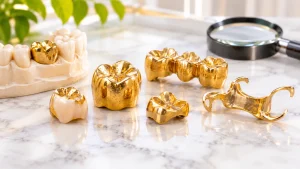
That said, even broken or damaged jewelry still holds value based on its metal content. The gold doesn’t lose purity just because the piece is banged up. Condition affects resale pricing, not scrap value.
Trendy vs Classic Designs
This one catches people off guard. A piece that was trendy five years ago might have zero demand today. Oversized statement necklaces, specific color trends, and seasonal styles depreciate faster because buyer interest fades with the trend.
Classic designs hold up better. Solitaire diamond rings, simple gold bands, tennis bracelets, and plain chains have consistent demand across decades. If you’re buying jewelry with resale in mind, timeless beats are trendy every time.
No Documentation
Original receipts, certificates of authenticity, branded boxes, and appraisal reports all add credibility. Without them, buyers have to take your word for it, and that uncertainty leads to lower offers.
For diamonds specifically, a GIA (Gemological Institute of America) grading report makes a measurable difference. Certified diamonds sell faster and for more money than uncertified stones of similar quality.
Sentimental Value vs Market Value
A necklace from your grandmother might mean the world to you. But a buyer doesn’t pay for memories. They pay for grams and karats. The emotional value you attach to a piece and what the market will pay for it are two completely different numbers.
This is one of the hardest parts of selling jewelry. Knowing how to prepare before selling helps you set realistic expectations.
Does Gold Jewelry Depreciate?
Gold itself doesn’t depreciate the way a car or a phone does. The metal holds intrinsic value that’s tracked globally through exchanges like COMEX. Gold prices fluctuate daily, but over the long term, gold has consistently risen in value.
What depreciates is the jewelry form of gold. You pay a retail markup when you buy a gold ring or chain. When you sell, the buyer strips away that markup and pays based on karat purity, weight, and the current spot price.
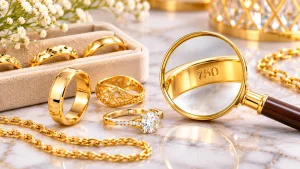
A 14K gold bracelet bought for $1,500 at a jewelry store might contain $500 to $700 worth of actual gold. That’s the number the buyer works with. Understanding gold purity levels helps you see why the gap exists.
Higher karat gold (18K, 22K, 24K) retains a larger percentage of its value because there’s more actual gold in the piece. Lower karat pieces (10K, 14K) contain more alloy metals, so the gold value per gram is lower.
Do Diamonds Depreciate?
Yes, most diamonds depreciate significantly after purchase. Retail diamond markups can be even higher than gold, sometimes 300% to 400% over wholesale cost.
The resale market for diamonds is tough. Unlike gold, diamonds don’t have a universal spot price. Their value depends on the 4Cs (cut, color, clarity, carat weight), and even then, two diamonds with identical specs can sell for different prices depending on the buyer.
Natural diamonds with GIA certification hold value better than uncertified stones. Lab grown diamonds, while chemically identical, depreciate faster because production costs keep dropping, which pushes market prices down over time. The FTC updated its jewelry guidelines to recognize lab grown diamonds as real diamonds, but the resale market hasn’t followed with equal pricing.
Does Silver Depreciate?
Silver jewelry depreciates even more than gold. Silver is a much cheaper metal, so the markup percentage at retail is proportionally larger. A silver bracelet bought for $200 might only contain $15 to $30 worth of actual silver.
The scrap value of silver jewelry is low compared to gold. However, sterling silver pieces from recognized brands or with unique vintage designs can carry resale premiums. If you have silver to sell, here’s what to expect when selling silver.
How Resale Pricing of Jewelry Works
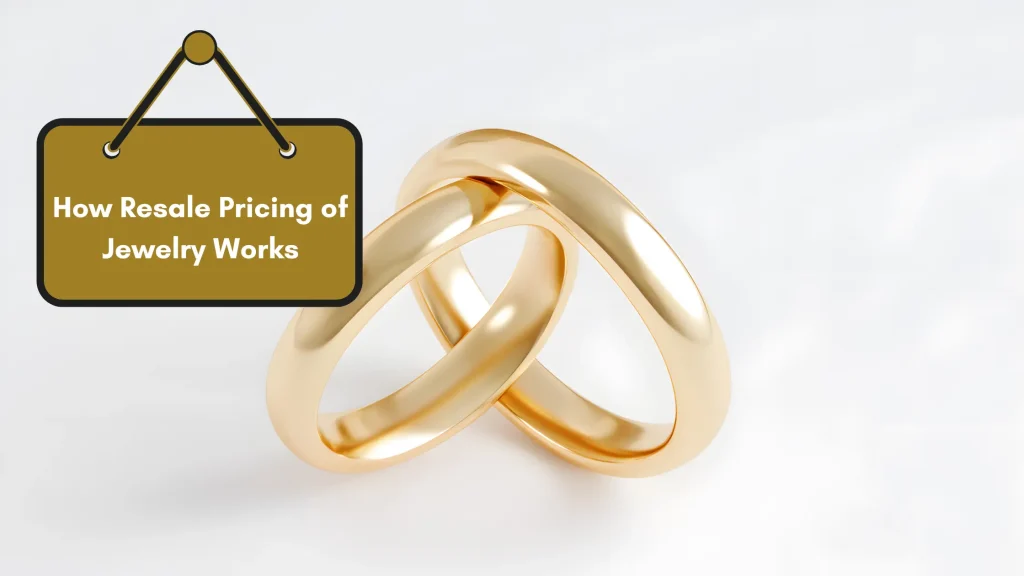
When you sell jewelry, the buyer calculates their offer based on a few core factors.
Metal Value
The buyer tests the purity and weighs the piece. For gold, the metal value is calculated by multiplying the item’s weight by its purity percentage and the current spot price.
Formula:
Metal Value = Weight × Purity Percentage × Current Spot Price
After determining the metal value, the buyer typically offers a percentage of that amount based on factors such as market conditions, operating costs, and desired profit margins.
Offer Amount = Metal Value × Buyer Offer Percentage
Gemstone Value
Diamonds and gemstones are evaluated separately. For diamonds, the 4Cs matter. For colored gemstones, origin, treatment, and quality drive pricing. The GIA and AGL certifications carry the most weight with buyers
Stones without certification get lower offers because the buyer assumes more risk.
Brand and Design Premium
Pieces from luxury brands like Cartier, Tiffany, Van Cleef & Arpels, or Harry Winston can sell above melt value because there’s a secondary market for branded jewelry. Limited editions or discontinued collections carry even higher premiums.
Unbranded pieces, no matter how well made, typically sell at or near melt value.
Market Demand
Resale pricing shifts with demand. Vintage and antique styles go through cycles of popularity. When a particular era or design trend is hot, prices rise. When interest fades, prices drop. Timing your sale around demand trends can make a noticeable difference.
Red Flags That Reduce Resale Value
Watch out for these. They consistently drive offers down:
- Gold plated or gold filled pieces (stamped GP or GF) with minimal actual gold content
- Mass produced jewelry from chain retailers with high markups and no brand cachet
- Lab grown diamonds without certification
- Heavy custom engravings that limit the buyer pool
- Pieces with repairs done using mismatched or low quality parts
- Missing stones, broken clasps, or significant cosmetic damage on pieces meant for resale (not scrap)
Knowing how to spot fake gold also helps you avoid bringing in plated items expecting solid gold prices.
How to Choose Jewelry With Strong Resale Value
If you want jewelry that holds value, buy with resale in mind from the start.
Stick to high karat solid gold (18K or above) or platinum. Choose classic designs over trendy ones. Buy certified natural diamonds with GIA reports. Go with recognized luxury brands if budget allows. Keep all original packaging, receipts, and certificates.
And understand that jewelry is not an investment vehicle. It’s a luxury purchase. Some rare, vintage, or limited edition pieces can appreciate over time, but that’s the exception. Read about questions to ask before investing in gold if you want to put money into gold as an actual investment.
FAQs
Does jewelry depreciate over time?
Yes. Most jewelry depreciates immediately after purchase due to retail markups. The resale value is based on material worth, not what you paid. Some vintage, rare, or luxury branded pieces can appreciate, but that’s uncommon.
Does gold jewelry depreciate?
The gold metal itself holds value and is traded globally. But gold jewelry depreciates because the retail price includes design, labor, and store markups that buyers won’t pay for on resale. Higher karat gold retains more value than lower karat.
Does diamond jewelry depreciate?
Yes. Diamonds carry some of the highest retail markups in the jewelry industry. Resale prices are based on the 4Cs and certification. GIA certified natural diamonds hold value better than uncertified or lab grown stones.
Is jewelry a good investment?
For most people, no. Jewelry should be bought for enjoyment, not as a financial investment. The retail to resale gap makes it a poor store of value compared to physical gold bullion or other investment assets.
What type of jewelry has the best resale value?
High karat gold (18K or above), platinum, GIA certified natural diamonds, and pieces from luxury brands like Cartier, Tiffany, Van Cleef & Arpels, and Harry Winston tend to retain the highest percentage of their value.
How much does jewelry depreciate?
Most retail jewelry loses 20% to 50% or more of its value immediately. Over time, basic pieces may retain only 30% to 50% of the original purchase price. High end or rare pieces can retain 60% to 80% or more, depending on brand, materials, and demand.