

24K is pure gold. 100% the real thing. So it must be the best option for jewelry, right? Actually, no. Pure gold has serious drawbacks that make it a poor choice for rings, bracelets, and anything you plan to wear regularly.
18K gold solves those problems while still being 75% pure. Here’s why the “less pure” option is often the smarter pick.
What Each Number Actually Means
24K Gold
24K means 99.9% pure gold. No alloy metals mixed in. This is the purest form of gold you can buy. It’s the standard for bullion bars, coins, and investment products.
In jewelry form, 24K gold has a rich, deep yellow color that no other karat can match. It’s the gold you see in traditional South Asian, Middle Eastern, and Chinese jewelry.
18K Gold
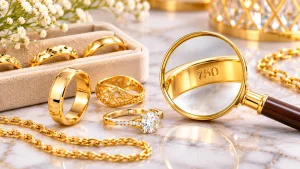
18K means 75% gold and 25% alloy metals like silver, copper, palladium, or zinc. Those alloys are added for strength, durability, and color variation.
18K is the standard for high end jewelry in the United States and Europe. Brands like Cartier, Tiffany, and Van Cleef & Arpels make most of their pieces in 18K because it’s the sweet spot between purity and practicality.
Understanding exactly how these karat levels work helps when buying or selling. Read about gold purity levels for the full breakdown.
18K vs 24K at a Glance
| Factor | 18K Gold | 24K Gold |
| Gold content | 75% | 99.9% |
| Hardness (Vickers) | 120 to 230 HV | 25 to 30 HV |
| Scratch resistance | Good | Very poor |
| Color | Yellow, white, or rose | Deep rich yellow only |
| Daily wear | Yes | Not recommended |
| Common use | Fine jewelry | Bullion, investment, ceremonial jewelry |
| Price per gram | Lower | Higher |
| Resale (% of gold value) | 60% to 85% | 80% to 95% |
Why 24K Gold Doesn’t Work Well for Everyday Jewelry
It’s Extremely Soft
Pure gold is one of the softest metals used in jewelry. On the Vickers hardness scale, 24K gold scores just 25 to 30 HV. For comparison, 18K gold scores 120 to 230 HV depending on the alloy.
In practice, a 24K gold ring will scratch from normal contact, bend if bumped, and show dents within weeks of regular wear. Over time, the surface actually loses gold material from friction alone.
The Royal Society of Chemistry describes gold as highly malleable and ductile. Great for shaping during manufacturing. Terrible to wear every day.
It Only Comes in One Color
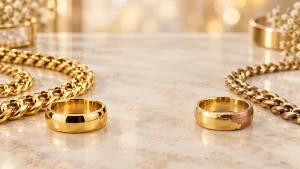
24K gold is always that deep, saturated yellow. There’s no white gold version of 24K and no rose gold version either. Those colors require alloy metals, and 24K has none.
18K gold can be made into yellow, white, or rose gold depending on the alloy mix. That’s three distinct looks from one karat level. If color variety matters to you, 18K gives you options that 24K physically can’t. Read more about different shades of gold to see how alloys create each tone.
Prongs and Settings Don’t Hold
Engagement rings and pieces with gemstones need strong prongs to hold stones in place. 24K gold prongs bend too easily and can release a diamond or gemstone with minimal force.
This is why virtually no jeweler will set a valuable stone in 24K gold. The risk of losing the stone is too high. 18K provides enough strength to secure settings while still being high purity.
Where 24K Gold Does Make Sense
24K isn’t bad gold. It’s just bad for certain applications. There are situations where pure gold is the right choice.
Investment and Wealth Storage
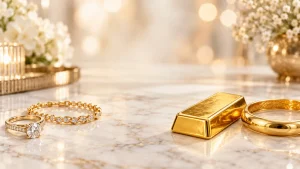
If you’re buying gold to hold value, 24K bullion is the standard. Bars and coins from mints like the Royal Canadian Mint and Perth Mint are 99.99% pure and priced close to spot. There’s no design markup or fashion premium. Just gold.
For investment purposes, higher purity means more gold per gram and better returns at resale. Read about what makes gold investment grade if this is your goal.
Ceremonial and Occasional Jewelry
In many South Asian and Middle Eastern cultures, 22K and 24K gold jewelry is preferred for weddings, religious ceremonies, and gifting. These pieces are often worn only on special occasions, not daily, which reduces the durability concern.
24K gold wedding sets from these traditions can hold significant resale value because the gold content is so high. Some valuable gold items from these markets carry premiums beyond melt value due to craftsmanship and cultural significance.
Gold Leaf and Decorative Use
The 24K gold leaf is used in architecture, art restoration, and luxury food decoration. The extreme malleability of pure gold makes it perfect for hammering into ultra thin sheets. This is a niche use, but it’s where 24K’s softness is actually an advantage.
Resale Value: Which One Pays More?
Both sell well, but the math works differently.
24K Gold Resale
Because 24K is pure gold, the calculation is simple. Weight times spot price. Buyers pay a higher percentage of melt value (typically 80% to 95%) because there’s no alloy to separate during refining.
18K Gold Resale
18K contains 75% gold and 25% alloy. Buyers still pay based on gold content, but the refining process to separate alloys costs more. Expect offers of 60% to 85% of the gold value. However, if the piece is from a luxury brand or has a desirable design, some buyers pay above melt for resale potential.
Understanding how jewelry depreciation and resale pricing works helps you set realistic expectations for either karat.
The Catch
24K jewelry often costs more per gram at retail because of the higher gold content. But if you’re buying 24K jewelry at a retail store with a big markup, that advantage shrinks at resale. The markup disappears the same way it does with 18K.
For pure gold exposure without the retail markup, bullion bars and coins are the better route.
How Buyers Test and Price Each One
Gold buyers use the same methods for both karats. They check the stamp, test with acid or an XRF scanner, and weigh the piece. The karat reading determines the gold percentage, and the weight determines how many grams of gold are present.
The formula is the same:
Weight x Purity % x Spot Price x Buyer’s Payout Rate = Your Offer
A 10 gram 24K piece at $85/gram spot would calculate as: 10 x 99.9% x $85 x 85% payout = roughly $722.
A 10 gram 18K piece at the same spot price: 10 x 75% x $85 x 80% payout = roughly $510.
Read about how gold buyers test your jewelry to see exactly what happens when you bring a piece in.
Which Should You Buy?
For daily wear jewelry (engagement rings, bracelets, watches): 18K. The durability, color options, and design flexibility make it the practical choice.
For investment or wealth storage: 24K bullion. Maximum gold content, minimum markup, strongest resale return.
For special occasion jewelry: 22K or 24K if cultural tradition calls for it. Just store it properly and avoid daily wear.
For resale value: 24K holds a higher percentage of its value at resale. But 18K from a luxury brand can sometimes exceed melt value, which 24K rarely does in jewelry form.
The FTC’s Jewelry Guides require accurate karat stamping on all gold jewelry sold in the United States. Always verify the stamp before buying or selling either karat level.
Final Thoughts
24K is purer, but 18K is more practical for jewelry. Pure gold scratches, bends, and can’t hold stones securely. 18K gives you 75% gold content with the strength to survive everyday life. Pick based on what you’re using it for, not just the number on the stamp.