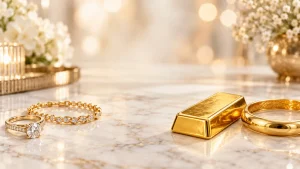


Two gold bars. Same weight. Same purity. One from PAMP Suisse, the other from a refiner you’ve never heard of. Do they sell for the same price? Usually not.
Brand matters more in bullion than most people realize, and here’s how it affects your payout.
The Short Answer
The brand doesn’t change the gold content. But it absolutely changes how quickly and easily a buyer can resell your bullion. And that affects what they’re willing to pay you.
A bar from a globally recognized refiner sells itself. A bar from an unknown source needs extra testing, extra verification, and carries extra risk for the buyer.
That risk shows up as a lower offer on your end.
Why Recognized Brands Get Better Offers
It comes down to trust and liquidity.
When a buyer sees a product from a known government mint or LBMA accredited refiner, they already know what they’re looking at. The purity is trusted. The weight is reliable. The product has instant resale demand because other dealers, collectors, and investors want it too.
That means the buyer can turn it around faster with less effort. Less effort means less cost, which means more of the spot price goes to you.
Government Mints vs Private Mints
Not all bullion brands carry the same weight. There’s a clear hierarchy.
Government Minted Coins
These sit at the top. Products from the U.S. Mint, Royal Canadian Mint, South African Mint, and the Perth Mint are recognized worldwide. Coins like the American Gold Eagle, Maple Leaf, Krugerrand, and Philharmonic are the most liquid gold products on the planet.
The government mints back their coins with sovereign guarantees on weight and purity. That’s a level of trust no private mint can match. When you sell these, buyers pay top percentages of spots because they know exactly what they’re getting.
Check out popular gold coins to see which government minted products have the strongest resale demand.
LBMA Accredited Refiners
The London Bullion Market Association maintains a Good Delivery List of refiners whose bars meet strict quality standards. Names like PAMP Suisse, Valcambi, Heraeus, and Metalor are on this list.
LBMA accreditation means the refiner’s products are accepted by banks, exchanges, and dealers globally. Bars from these refiners sell almost as easily as government coins. If your bar has an LBMA stamp, you’re in a strong position. Understanding what affects bullion resale value shows why this accreditation carries so much weight.
Private Mints Without LBMA Status
This is where brand starts to hurt you. Private mints that aren’t on the LBMA list produce real gold products, but they don’t carry the same instant recognition with buyers.
A 1 oz round from a small private mint might be 99.99% pure and weigh exactly what it should. But the buyer still has to independently verify that. Extra testing, extra time, extra risk. All of which can push your offer down by a few percentage points.
Does Brand Matter if the Gold Gets Melted?
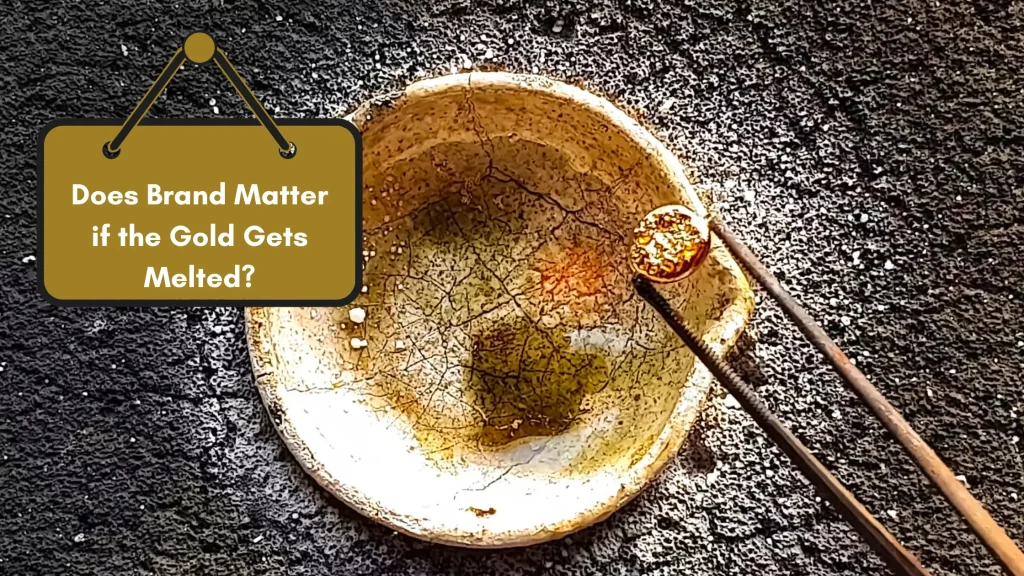
Less so. If the buyer is sending your bullion straight to a refiner for melting, the brand becomes almost irrelevant. The refiner cares about purity and weight, not whose name is on the bar.
But here’s the thing. Buyers who plan to melt typically pay lower percentages of spot across the board because they’re treating everything as raw material. A buyer who can resell your PAMP bar as it will often pay more than one who melts everything regardless.
This is one reason why gold buyers give different offers. Their business model determines whether brand matters to them or not.
What About Counterfeit Concerns?
Brand plays a huge role here too. Counterfeit bullion is a real problem, and the U.S. Secret Service along with the Commodity Futures Trading Commission (CFTC) have both been involved in cracking down on fake precious metal products.
Recognized brands are harder to counterfeit convincingly. Government coins have intricate designs, micro engraving, and specific dimensions that are difficult to replicate. LBMA bars have serial numbers that can be verified against the refiner’s database.
Unknown brand products don’t have these layers of verification. That makes buyers more cautious, and cautious buyers pay less. Knowing how to spot fake gold helps you understand what buyers are checking for.
How Much Difference Does Brand Actually Make?
Rough ranges based on typical buyer behavior:
| Product Type | Expected Payout |
| Government minted coins (Eagle, Maple Leaf) | 90 to 97% of spot |
| LBMA accredited bars (PAMP, Valcambi) | 88 to 95% of spot |
| Known private mint rounds | 85 to 92% of spot |
| Unknown brand bars or rounds | 80 to 88% of spot |
These ranges shift based on the current spot price, local demand, and the individual buyer’s margins. But the pattern holds. Recognized brands consistently command higher payouts.
What If You Own Unknown Brand Bullion?
Don’t panic. It’s still real gold and still sellable. You’ll just need to:
- Bring any documentation or receipts you have from the original purchase
- Expect extra testing at the buyer’s shop
- Get quotes from multiple buyers since some are more comfortable with lesser known products than others
- Consider selling to a local buyer where you can be present during testing and answer questions about the piece’s history
Sell Branded or Unbranded Bullion in Rockford
SSAJ (State Street Apparel & Jewelry) in Rockford, IL buys gold bullion from every mint and refiner. Recognized or not. They have the testing equipment to verify any product and price it fairly against live market rates.
Bring your bars, coins, or rounds. They’ll tell you exactly what it’s worth.
Final Thoughts
Brand doesn’t change the gold inside your bullion. But it changes how much a buyer is willing to pay for it. Recognized products sell faster, verify easier, and command better offers. If you own them, that works in your favor. If you don’t, sell smart and compare quotes.